Construction has a page of its own: the deploy-power-relocate model, the OSHA and fuel case, and a configurator that sizes one mast against the loads you pick.
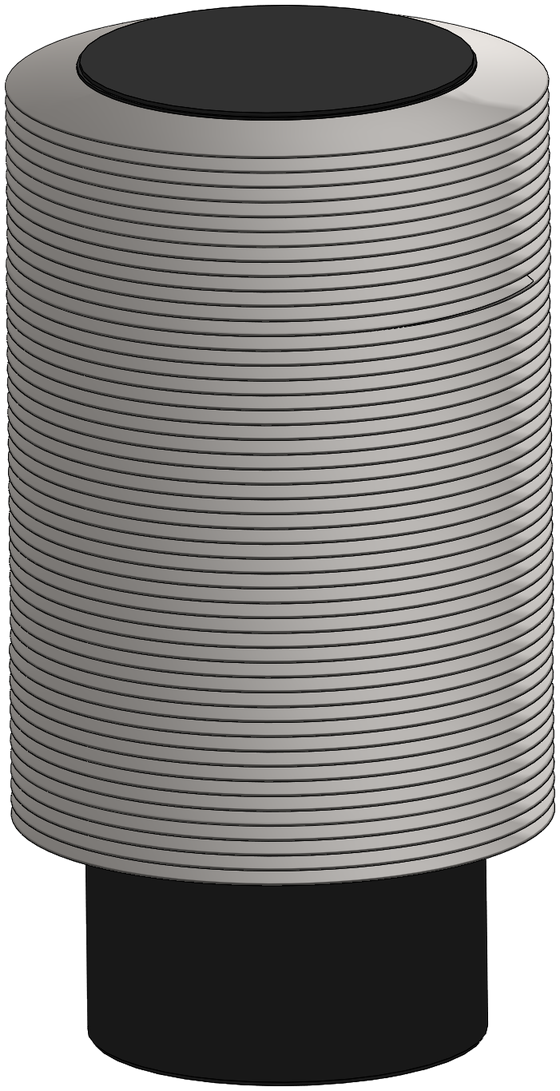
Unit shown concept scale
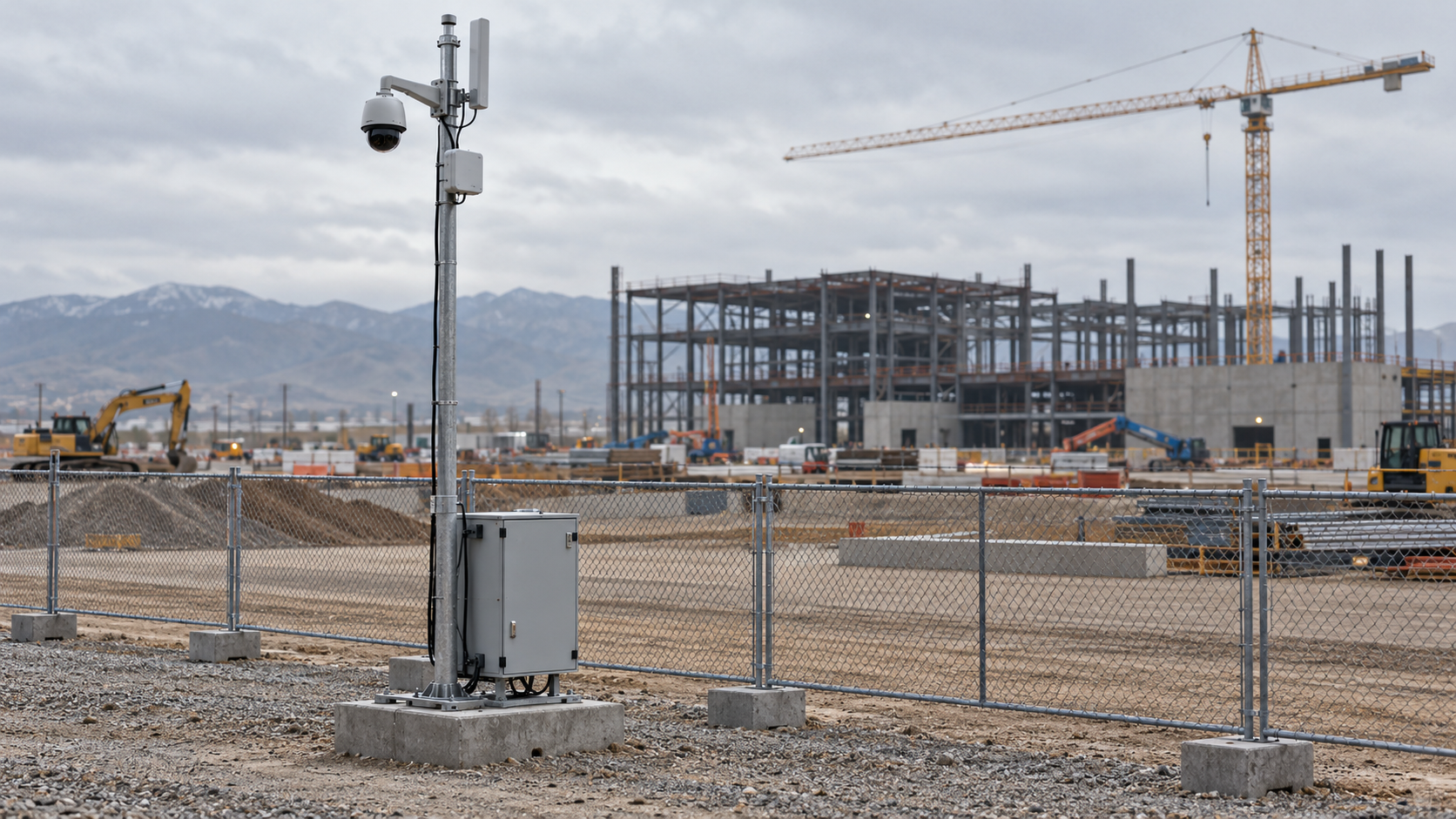
Illustrative application scene
Operating environment
Large, long-duration jobsites — data-centre builds, industrial facilities, energy infrastructure and major commercial developments — where work moves through phases and the power source does not move with it.
The power challenge
Dozens of small, always-on loads sit a long way from any supply: perimeter cameras, motion sensors, environmental monitors, communications and access hardware. Each one is fed by a temporary cable run, a small generator, or a battery somebody has to drive out and swap.
Why current solutions fall short
Cable runs are trip hazards, get cut by equipment and are re-routed every phase. Small generators bring fuel storage, exhaust restrictions indoors and below grade, and noise through the night when security loads are running. Swappable batteries turn into a weekly truck roll. Ground-level solar competes for laydown space and falls into the shadow of the structure as it rises.
Why enclosed micro-wind may fit
A mast uses vertical space the site is not using, and its footprint does not grow as output does. The rotor turns inside its shroud, so there is no exposed blade on a site full of people on foot and moving equipment, and there is no fuel, exhaust or engine noise. The assembly relocates as phases change and redeploys to the next project.
Modelled from CFD report TR-26-0019 · pending wind-tunnel validation
Environmental packages
Dust and industrialCold-weatherSkid, trailer or structure tie-in
Installation concept
A mast on a ballasted skid, a towable trailer, or clamped to scaffold and raised as the structure does, with storage and controls at the base and optional solar. Loads mount on the mast beside the equipment they serve.
Important limitations
Wind at a jobsite mast is site-specific and must be assessed; Coevo publishes no mast-height figure. Area lighting and light towers are an order of magnitude beyond this system and are explicitly out of scope, as are heavy equipment, hoists and temporary heat. Mast height, crane clearance and permitting remain site decisions.
Suitability requires project review. Performance figures referenced on this page are preliminary engineering estimates pending validation.
Operating in construction & jobsites?
Pilot programs are forming across Coevo's target industries.