Disaster relief has a page of its own: why fuel is the constraint that decides how long equipment keeps working, how units are pre-positioned, and a configurator that sizes one deployment point against the loads a response actually runs.
Concept — scene to follow
Operating environment
Hurricane, tornado, flood, wildfire and earthquake response: command posts, staging grounds, supply caches and aid points standing up in areas where the grid is gone and the roads may be closed for days.
The power challenge
The response runs on communications, coordination, monitoring and charging — and all of it runs on generators until the fuel stops arriving. Fuel is the constraint that decides how long equipment keeps working, not generator capacity.
Why current solutions fall short
Generators work until the tank is dry, and after a major event resupply is rationed, delayed or physically impossible. Pre-positioned generators need fuel rotation and exercise runs while they wait. Solar needs daylight and clear panels, and the weather that caused the emergency rarely provides either on day one.
Why enclosed micro-wind may fit
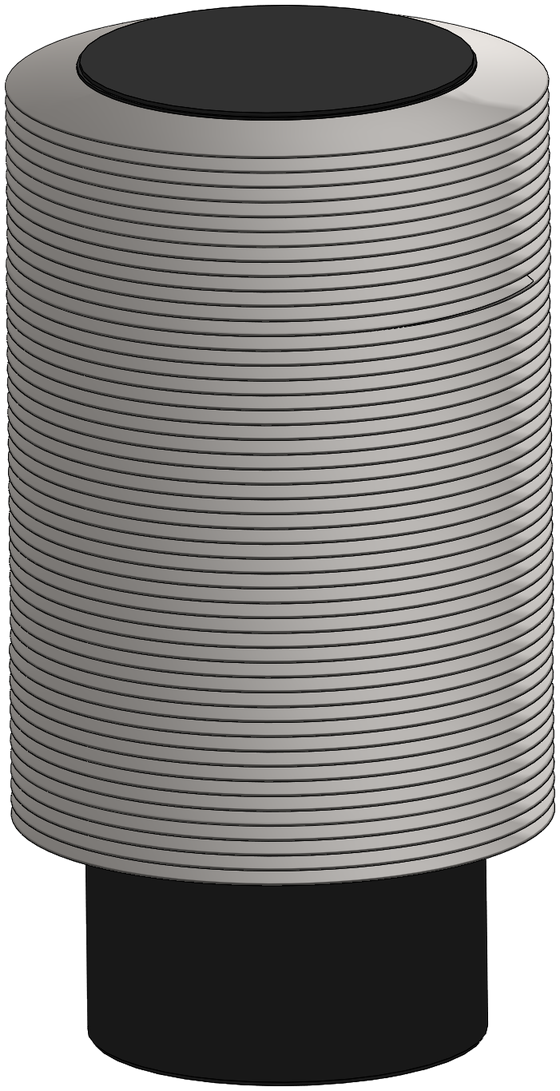
A unit with no fuel system makes its own power and joins no resupply queue, and it waits in storage without maintenance until it is called. Tropical systems leave elevated wind behind them for days and wildfire is driven by wind, so the conditions that caused the emergency are often the conditions this generates in. The enclosed rotor matters where responders, volunteers and the public share the ground.
Modelled from CFD report TR-26-0019 · pending wind-tunnel validation
Environmental packages
Storm-proneDust and industrialCold-weather
Installation concept
Skid or trailer-mounted masts stood up at the command post, staging ground or aid point, with storage and controls at the base and optional solar. Units are held in stock pre-positioned and returned to stock when the operation closes.
Important limitations
This does not restore power to homes, streets or neighbourhoods, and it is not a shelter power system — heating, cooling, area lighting and dewatering are an order of magnitude beyond it. No survival wind rating, deployment time or emergency-equipment certification is published. Wind after an event is highly variable and some sites will not suit it.
Suitability requires project review. Performance figures referenced on this page are preliminary engineering estimates pending validation.
Operating in disaster relief & emergency response?
Pilot programs are forming across Coevo's target industries.